FREE SHIPPING over $200*
Continental U.S. only.
Continental U.S. only.
Continental U.S. only.
Continental U.S. only.
Cheesecloths are cotton clothes that are lightweight, loosely woven, and resemble gauze. They are made from woven cotton gauze fabrics, which give them their airy and lightweight characteristics.
They are available in seven grades, from open cheesecloths to extra-fine weave. The grades are determined by how many threads are used in every inch constructed in every direction.
The grades are represented in units of 10, each unit representing a sturdier, more durable cloth. Cheesecloths with lesser grades are more open weave, which allows more materials and liquid to pass through but are not as durable.
However, cheesecloths with more grades, for example, 90, would be weaved tightly together, limiting the amount of materials that pass through, and are more durable.

1. Basting poultry
You can use a cheesecloth to keep turkey or chicken breast moist by dipping the cheesecloth in a mixture of olive oil, white wine, and butter. That way, the meat will remain moist and soft for a long time.
2. Dusting
Adding dusted cocoa or sugar on top of your cookies or cake will not only make it sweet but also make the presentation beautiful.
To use the cheesecloth for dusting, place it on top of the sugar or cocoa jar, pull it as tight as you can and secure it with a band or the jar ring and sprinkle the powder on your desert.
3. Straining
When straining, we mostly depend on the regular colanders, but sometimes, like when making broth or stock, you want to ensure that all the vegetables and meat are strained off the liquid. That is where you need the cheesecloth.
 Before using it for straining, ensure to rinse your cheesecloth to get rid of any lint. You then need to layer it on top of your regular strainer and filter your vegetables or meat through.
You can use that method to filter coffee, removing seeds from jellies and jams, and removing curds from yogurt.
4. Bundling herbs
Sometimes you may want to have the flavor of some herbs in your food or soup, but you do not want to leave them floating. You can use a piece of cheesecloth to tie them together and then dip them in your pot. That will make it easy for you to remove them once the food is cooked.
5. Covering food
You may want to hold a party or have your lunch outside, but the insects and the bugs might make it impossible. To ensure that your burgers and ribs are safe from contamination, you can use a cheesecloth to cover them.
You do not have to worry about there being moisture build-up because the cloth is airy and lightweight.
6. Making Greek yogurt
You can save a few dollars by making your regular yogurt into Greek yogurt using a cheesecloth. Use the cheesecloth to strain the plain yogurt by putting it in a colander lined with the cheesecloth.
Do that until you achieve your desired consistency. If you strain further, you can make labneh, a form of strained yogurt that has cream cheese thickness.
7. Cleaning up
The cheesecloth wave gives it just enough friction to eliminate water stains plus other gunk from your pots and silverware. You can use it by itself or dampen it and add a pinch of baking soda for better results.

Cutting
Because they wrinkle easily, it is important to iron cheesecloths to make them smoother and flatter before cutting them.
Threads and needles
Use 80/12, 75/11, or 70/10 universal needles and good quality cotton or polyester thread when sewing cheesecloths.
Sewing
• Stitches- Go for a 2-2.5 mm long stitch when making straight seams. You may also use a 0.5-2 mm wide seam to keep the crinkled yarns from moving or stretching.
• Seams- French seams are the best to keep the cut edges from fraying.
• Hems- Topstitched and double folded hems work perfectly with cheesecloths. It helps conceal raw edges and ensures they do not fray when being washed. For blouses and shirts, go for a narrow 12mm hem and summer skirts for a deep 5-8 cm hem.
Ironing
Hot steam iron is perfect for cheesecloths because it smoothens them out without damaging the fabric.
Techniques
Decorative finish- Since cheesecloths are loosely woven, it is possible to draw threads from them and create a decorative effect. Remove a bundle of yarns at regular intervals from the weave, take ten threads in and 30 out, and then repeat.
Choose a blanket type stitch on a sewing machine, and select decorative thread, then stitch each side of the removed stitches.


These are the blank 27″×27″ flour sack towels that gift brands, DTG and screen printing studios, personalization businesses, and e...
View full details
DTG (Direct-to-Fabric) printing delivers unlimited colors and smooth gradients — ink that bonds directly into the cotton fiber, with no crac...
View full details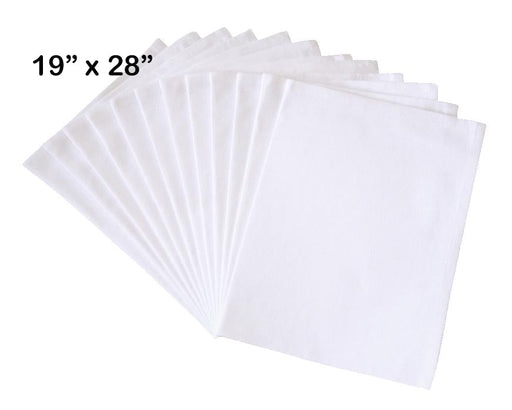
The 19″×28″ rectangle is the classic tea towel format — the size embroidery studios, gift brands, and personalization businesses r...
View full details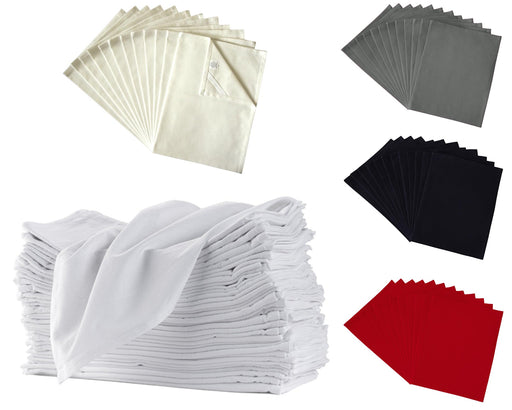
The same heavyweight 130 thread count, 100% cotton flour sack fabric as our white and natural towels — now in six colors: blue, gr...
View full details
Screen printing is the best choice when your design uses solid colors, bold shapes, or clean line art — and you're producing 24 or ...
View full details


