FREE SHIPPING over $200*
Continental U.S. only.
Continental U.S. only.
Continental U.S. only.
Continental U.S. only.
Cheesecloth is one of those kitchen tools that's easy to use once and throw away — until you realize you're buying it constantly. Grade 90 cheesecloth is designed to be washed and reused, and with the right routine it holds up through 10 or more uses. The technique is simple but order matters — particularly the cold rinse first, which prevents protein and dairy residue from setting permanently into the fibers.
This guide covers the full washing process, when boiling is necessary, how to remove stubborn odors including chlorine smell, and when cheesecloth has reached the end of its useful life. We've supplied cheesecloth to professional kitchens and home cooks since 2006 — this is what actually works.

Yes — always wash cheesecloth before using it with food for the first time. New cheesecloth can carry dust, packaging residue, or natural cotton sizing from the manufacturing process. A quick soak in warm water with a small amount of mild detergent, followed by a thorough rinse and complete air dry, is sufficient.
This also softens the fabric slightly, making it more flexible and easier to work with. If your new cheesecloth has a chemical or chlorine smell, see the dedicated section below — this is common with bleached cheesecloth and requires a vinegar soak to resolve. Unbleached cheesecloth (like ours) has no chemical treatment and typically has no smell at all.
Cheesecloth used with dairy, raw meat, or fermenting ingredients can harbor bacteria if not properly cleaned. Dr. Linda Harris, food safety researcher at the University of California, Davis, has documented how porous materials like cheesecloth can trap bacteria after contact with raw foods — particularly dairy proteins that embed in the open weave. The USDA recommends that reusable food contact tools be thoroughly sanitized between uses.
The practical implication: the cleaning routine differs depending on what you used the cheesecloth for. Straining cooked stock or cold brew coffee requires a thorough wash. Draining cheese curds or straining raw dairy requires boiling. The steps below cover both.
Always rinse in cold water first — immediately after use. Hot water sets proteins and dairy residue permanently into the cotton fibers, making them nearly impossible to remove. Cold rinse first, hot water later.

New cheesecloth sometimes has a chemical or chlorine smell — this comes from bleaching agents used during manufacturing on lower-grade cloth. It's one of the more common complaints about store-bought cheesecloth, and it's the reason unbleached cheesecloth is always recommended for food use.
If the cloth has slowed dramatically, the weave is likely clogged with fat or protein. A standard gentle wash won't cut through this — you need dish soap specifically, which is formulated to dissolve fats where laundry detergent is not. Wash with a small amount of dish soap, then follow with a long baking soda soak. A vinegar rinse after washing helps dissolve any mineral deposits. If the cloth has been washed with bleach at any point, the fibers may be permanently weakened — replacement is the better option at that stage.
Strong odors from garlic, onions, aged cheese, or fermented foods can outlast a regular wash. The solution: two-step soak. First, soak 30 minutes in diluted white vinegar. Rinse well. Then soak 30 minutes in baking soda solution. Rinse again and air dry in sunlight. This two-step approach neutralizes both acidic and alkaline odor compounds. If odor persists after two rounds, the cloth has absorbed enough that replacement makes more sense than continued washing effort.
A permanent grey tinge usually means the cloth has absorbed mineral deposits from hard water over multiple wash cycles. Soak in diluted white vinegar for 1–2 hours — this dissolves mineral buildup. If yellowing is from oil accumulation rather than minerals, a dish soap wash followed by a baking soda soak is more effective. If neither works after two attempts, the cloth has reached end of life.
Grade 90 cheesecloth typically lasts 5–10 uses with proper care — sometimes more depending on the application. Straining cold brew coffee or cooked stock is gentler than pressing cheese under weight. The cloth will show wear over time: the weave gradually loosens, straining slows, and the fabric may thin at stress points where it's been held taut.
Replace cheesecloth when:
Buying cheesecloth in bulk keeps cost per use very low and means you always have a fresh piece available. At our bulk pricing, even replacing after 5 uses costs less per use than single-pack grocery store cheesecloth used once.
Rinse immediately in cold water after use — cold only, as hot water sets proteins. Soak 20–30 minutes in warm water with baking soda (for dairy/fat) or vinegar (for odors and minerals). Wash gently with mild unscented detergent — hand wash or delicate machine cycle in a mesh bag. If used with dairy or raw foods, boil for 10 minutes after washing. Hang to air dry completely before storing. Never use bleach or fabric softener.
Yes — always wash before first food use to remove dust, packaging residue, and cotton sizing from manufacturing. A rinse in warm water with mild detergent, followed by a thorough rinse and air dry, is enough. If the cloth has a chemical smell, do a vinegar soak first — this is common with bleached cheesecloth. Unbleached cheesecloth typically has no smell at all.
Yes — Grade 90 cheesecloth is designed for repeated use. With proper care, most users get 5–10 uses or more. The key is rinsing in cold water immediately after use, washing gently, and boiling after dairy contact. Grocery store Grade 40 cheesecloth degrades quickly and is generally single-use. Investing in Grade 90 and washing it properly is more economical and less wasteful.
Soak in 1 cup white vinegar per litre of warm water for 30–60 minutes. Rinse thoroughly. If smell persists, follow with a baking soda soak. Air dry in fresh air or sunlight. The smell comes from bleaching agents used in manufacturing — unbleached cheesecloth has no chemical treatment and no smell. Buying unbleached is the permanent fix.
Boiling is recommended after using cheesecloth with dairy, raw meat, or fermenting ingredients — any use where bacteria could be present. Boil for 10–15 minutes after washing. The FDA and USDA both recommend this level of sanitation for reusable kitchen tools in contact with raw foods. For cheesecloth used only with cooked foods or dry uses, a thorough wash is usually sufficient.
The weave is likely clogged with fat or protein residue — common after making cheese or straining rich stocks. Wash with dish soap (not laundry detergent — dish soap cuts fat better), then do a long baking soda soak. A vinegar rinse afterwards dissolves mineral deposits. If the cloth has been bleached at any point, the fibers may be permanently weakened and replacement is the better option.
After washing and air drying completely, fold neatly and store in a sealed zip-lock bag or airtight container in a cool, dry place. Never store damp — moisture in a closed container causes mold quickly. If you use cheesecloth regularly, keeping a clean piece ready in a sealed container near your straining equipment makes it easy to grab when needed.


These are the blank 27″×27″ flour sack towels that gift brands, DTG and screen printing studios, personalization businesses, and e...
View full details
DTG (Direct-to-Fabric) printing delivers unlimited colors and smooth gradients — ink that bonds directly into the cotton fiber, with no crac...
View full details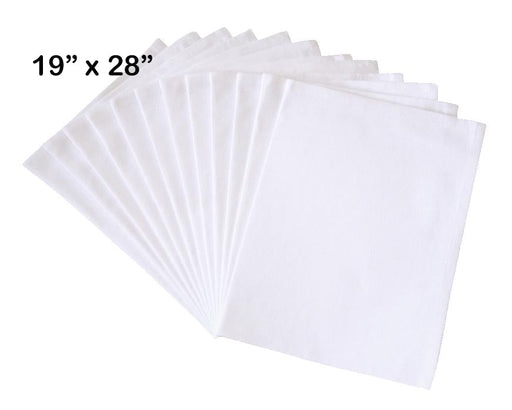
The 19″×28″ rectangle is the classic tea towel format — the size embroidery studios, gift brands, and personalization businesses r...
View full details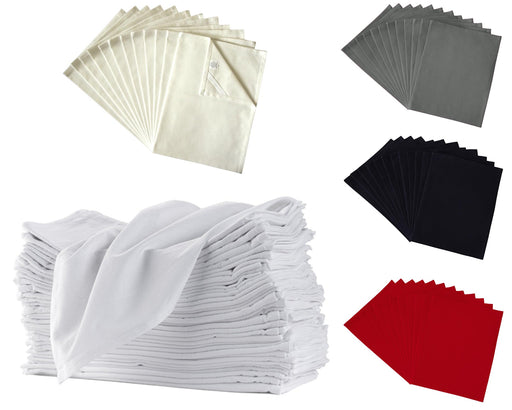
The same heavyweight 130 thread count, 100% cotton flour sack fabric as our white and natural towels — now in six colors: blue, gr...
View full details
Screen printing is the best choice when your design uses solid colors, bold shapes, or clean line art — and you're producing 24 or ...
View full details


