FREE SHIPPING over $200*
Continental U.S. only.
Continental U.S. only.
Continental U.S. only.
Continental U.S. only.

Flour sack tea towels are among the most absorbent kitchen textiles available — but only when they're cared for correctly. A brand-new towel straight from the bag is actually at its least absorbent. The manufacturing process leaves a light coating on the cotton fibers that temporarily reduces their ability to pull moisture. Wash them right, and they open up. Wash them wrong — especially with fabric softener — and they stay mediocre for years without you knowing why.
We've been supplying 100% cotton flour sack towels since 2006. The single most common question we get from first-time buyers is some version of: "why isn't my towel absorbing the way I expected?" The answer is almost always one of three things — manufacturing residue, fabric softener, or fiber clogging from too much detergent. This guide covers all three, plus how to restore a towel that's lost absorbency over time.
Unlike terry cloth, which is absorbent right away because of its looped pile structure, flour sack cotton is a tightly woven flat weave. The fibers need to relax and open up through washing before they reach full absorbency. This is why a flour sack towel you've owned for two years always outperforms one you bought last week — provided you've been washing it correctly.
The cotton fiber itself is naturally hydrophilic, meaning it attracts and holds water. A 130 thread-count diagonal weave like ours has a high surface area relative to its weight, which is why flour sack towels dry dishes so quickly compared to heavier terry towels. The weave also means there's no looped pile to trap lint — which is why they're lint-free in use and why professional kitchens, spas, and glassware polishers favor them.
Three things work against absorbency:
Always wash flour sack towels before first use. This is the single most important step. The first wash strips the manufacturing residue and begins opening up the cotton fibers. A towel used straight from the package will feel less absorbent than it should — not because of a quality issue, but because it hasn't been prepared yet.

Basic First Wash — Before You Use Them
★ Remove tags, unfold, and place in the washing machine.
★ Warm water — no fabric softener, no dryer sheets.
★ Standard laundry detergent, half the usual amount.
★ Tumble dry low or air dry. The towel is now noticeably more absorbent than when it came out of the bag.
The baking soda method goes further than a standard first wash. It's the most effective way to strip both manufacturing residue from new towels and detergent or softener buildup from towels that have lost absorbency over time. We recommend it for new towels if you want to hit peak absorbency immediately, and for any towel that's been accidentally washed with fabric softener.
Baking Soda Boost — Step by Step
★ Fill the machine with warm water for colored towels, hot for white.
★ Add 1 cup of white vinegar. No detergent. No softener.
★ Run a full wash cycle.
★ When the rinse cycle finishes, keep the towels in the machine.
★ Fill the machine again. Add ½ cup of baking soda. Still no detergent.
★ Run a second full wash cycle.
★ Dry thoroughly — tumble dry low or air dry.
The white vinegar dissolves the chemical coating from manufacturing and breaks down any softener film on the fibers. The baking soda then strips any remaining residue and neutralizes odors. The two-step sequence matters — vinegar first, then baking soda. Don't mix them in the same cycle or they neutralize each other.
💡 After this treatment, the difference in absorbency is immediate and noticeable. A towel that was sluggish at pulling moisture will dry dishes and hands significantly faster.

The baking soda boost isn't something you need to do every wash. Standard maintenance is straightforward:
Less Detergent
Half the recommended amount is usually enough. Excess detergent clogs fibers over time and doesn't rinse out fully.
No Fabric Softener — Ever
Not even occasionally. One cycle with softener undoes months of good washing habits. This includes dryer sheets.
Don't Overfill the Machine
Towels need room to rinse properly. An overstuffed load means soap doesn't wash out cleanly.
Warm or Hot Water
Cold water doesn't open cotton fibers effectively. Warm for everyday washing; hot for heavily soiled towels.
Dry Thoroughly Every Time
Damp towels left folded develop odor and mildew. Tumble dry low or air dry completely before storing.
Annual Baking Soda Reset
Run the baking soda boost once or twice a year as a maintenance reset, especially after heavy use.
Absorbency and hygiene go together — a clean towel absorbs better than a bacteria-laden one. Tea towels in the kitchen collect more bacteria than almost any other surface, which is why handling them correctly matters.
Keep separate towels — one for drying dishes, one for hands. Cross-contamination between them is one of the most common sources of kitchen bacteria.
Never use the same towel on a meat prep surface. Raw meat bacteria transfer easily and aren't removed by a quick wipe.
Keep towels away from the sink. The sink drain area carries more bacteria than most other kitchen surfaces.
Avoid harsh chemical cleaners. If a towel touches food, bleach or strong disinfectants are a contamination risk.
Hang after use. A towel folded on a counter stays damp and grows bacteria faster. Hanging on a hook allows it to dry between uses.
Wash immediately after food contact. Don't wait for laundry day — a towel that's touched raw ingredients needs washing before its next use.
Signs it's time to retire a towel:
★ Persistent odor that doesn't wash out even after the baking soda boost.
★ Thinning fabric or fraying at the hem and corners.
★ Absorbency that doesn't improve even after treatment — the fibers have simply worn out.
A well-cared-for flour sack towel lasts years — but nothing lasts forever. When it's time, our blank flour sack towels are available in bulk with no minimum order. Most kitchens keep a rotation of 6–12 towels so there's always a fresh one available and the load on any single towel stays manageable.
The key insight is simple: flour sack cotton gets better with washing, not worse — but only if you give it the right conditions. No fabric softener, less detergent than you think you need, and a baking soda boost when you first buy them or when they need restoring. Do those three things and a flour sack tea towel will outperform any terry cloth or microfiber alternative in your kitchen for years.
Why not check out our customer reviews as proof that we get it right each and every time!
Ready to stock up on flour sack towels?
Pre-washed and ready to use. 100% cotton, no minimum order, free shipping over $200. Ships in 1 business day from California and Georgia.
Shop Flour Sack Towels → Wholesale Blanks →
Written by
Mary's Kitchen Towels Team
We've been supplying 100% cotton flour sack towels since 2006 — to home cooks, bakers, professional kitchens, and retailers across North America. Questions? Contact our team →


These are the blank 27″×27″ flour sack towels that gift brands, DTG and screen printing studios, personalization businesses, and e...
View full details
DTG (Direct-to-Fabric) printing delivers unlimited colors and smooth gradients — ink that bonds directly into the cotton fiber, with no crac...
View full details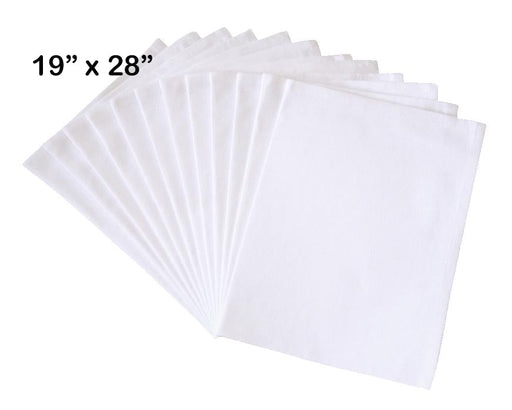
The 19″×28″ rectangle is the classic tea towel format — the size embroidery studios, gift brands, and personalization businesses r...
View full details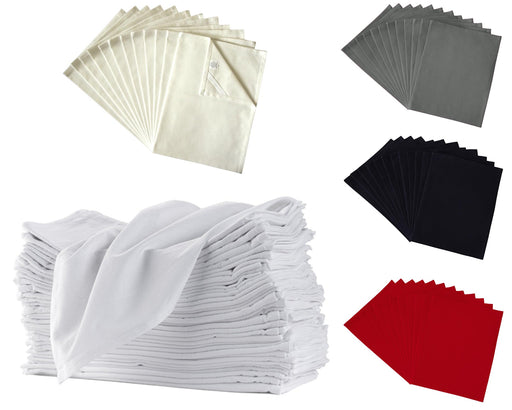
The same heavyweight 130 thread count, 100% cotton flour sack fabric as our white and natural towels — now in six colors: blue, gr...
View full details
Screen printing is the best choice when your design uses solid colors, bold shapes, or clean line art — and you're producing 24 or ...
View full details


